
It is extremely rare for business associations and think tanks with views that are far from mainstream to be given not just the chance to sit in the room and listen to those who espouse the “correct” views, but also the opportunity to speak before people who influence decisions that are important for Ukraine.
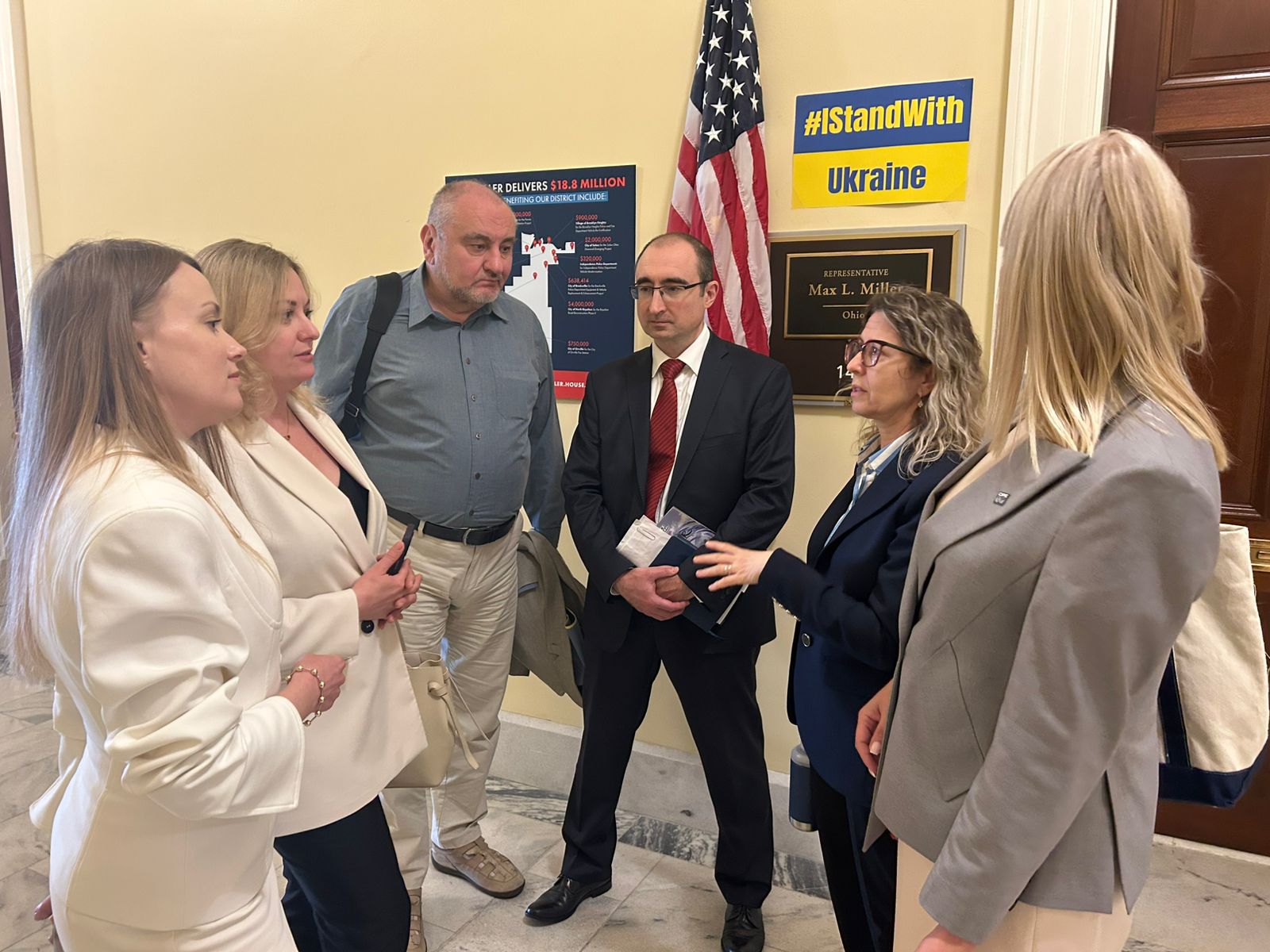
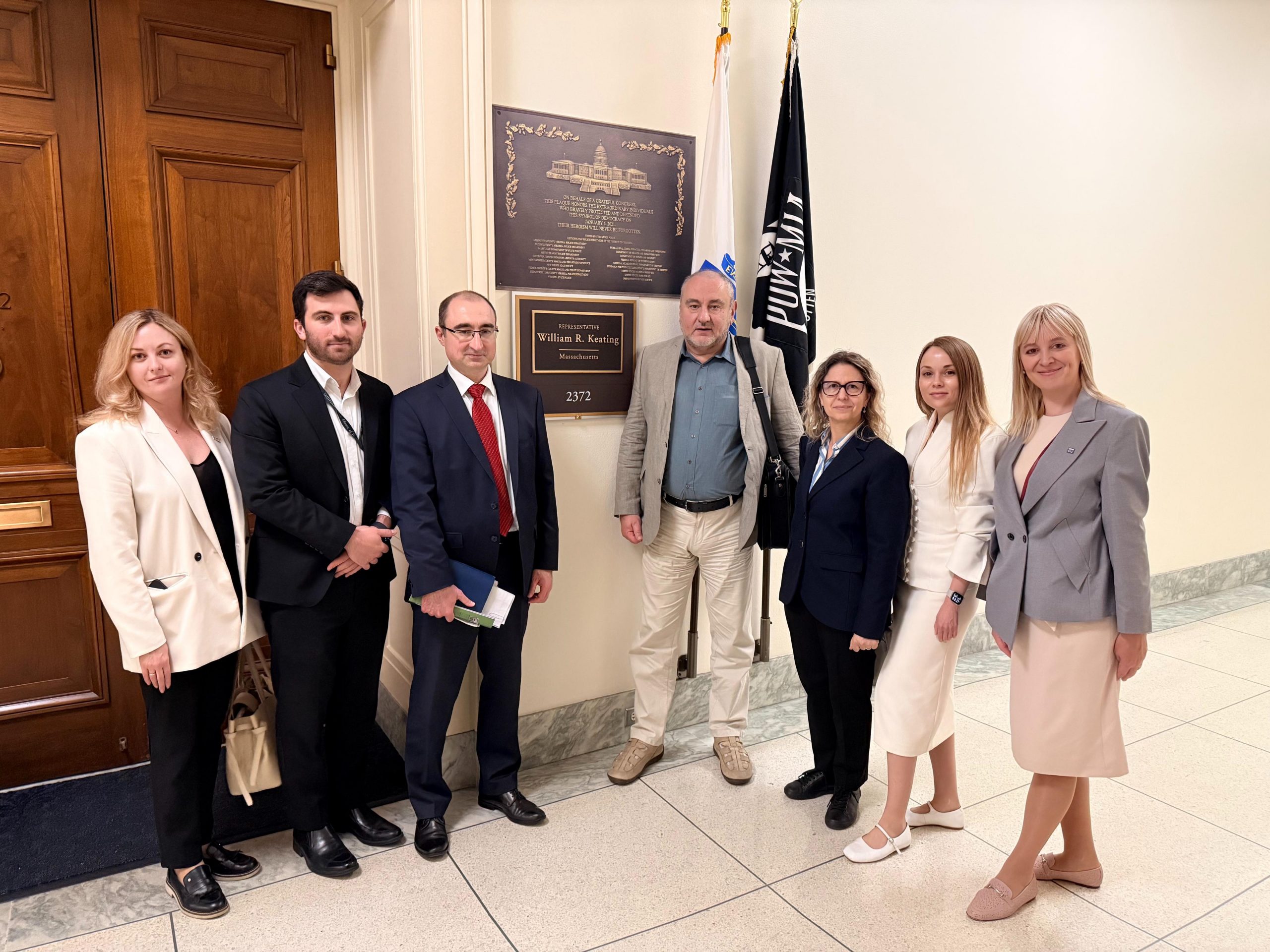
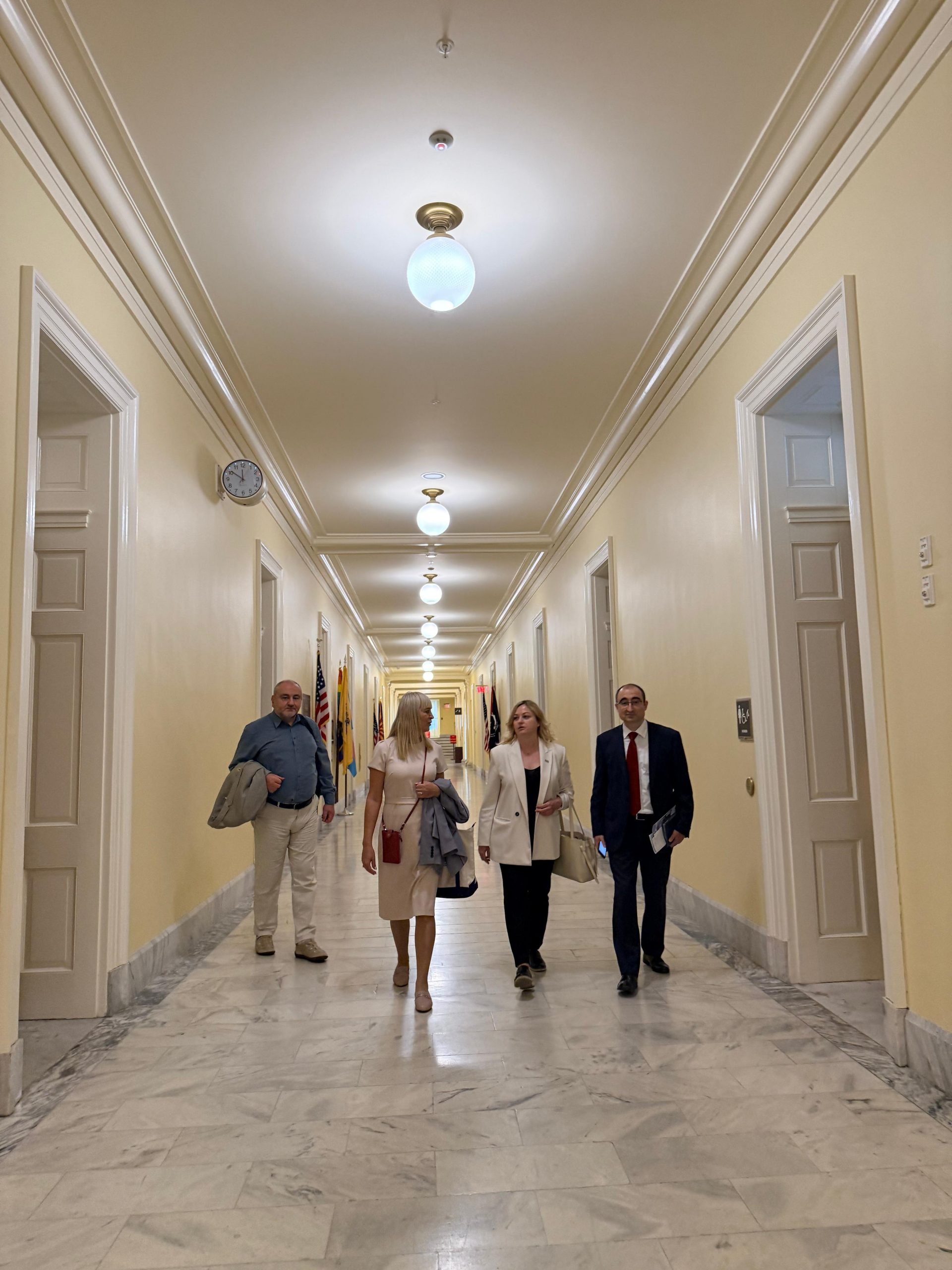
The schedule was extremely packed—a closed-door event at the Hudson Institute, meetings with the offices of congressmen and senators, the U.S. Department of State, the U.S. Department of Commerce, the National Endowment for Democracy (NED), and experts working on Ukraine-related issues.
The message we sought to convey in Washington was that Ukraine’s resilience—which the world admires so much—and its achievements in military technology, which everyone now wants to acquire in some way, are the product of horizontal connections and grassroots private initiative. But even with such a striking example of the importance of small and medium-sized businesses, the government pays very little attention to the domestic business climate in its economic policy. Since the main sources of “quick money” come from anti-corruption efforts and European integration, the government’s activities are largely concentrated in these areas, as they provide the necessary cash flow to fill the budget and cover all needs. The need to develop the business environment is nominally acknowledged, but this is reflected very weakly in actual actions. The idea that Ukraine should actively work toward economic self-sufficiency sounds like something outlandish and is not a primary focus of efforts at all.

A striking example is the Ministry of Finance’s latest tax initiatives, developed in collaboration with the IMF. The reality in Ukraine is that fiscal needs always take precedence over economic expediency. The need to make the overall tax system more affordable is completely dismissed by the current leadership of the Ministry of Finance. Arguments that Ukraine is nowhere near on par with most developed countries in terms of the convenience of tax administration are not accepted. The National Revenue Strategy was drafted on the premise that there are no problems whatsoever with the burden of the overall tax system or the corruption in VAT administration. This stance by the government’s economic bloc simply amounts to a larger bill for Ukraine’s financing now and in the future. This needs to change.
Anti-corruption is important, European integration is important, but $588 billion for reconstruction (an estimate for the end of 2025) without the private sector is a grand, unrealistic fantasy. And private, non-oligarchic business is precisely the small and medium-sized business that some of our government officials are so actively waging war against. And, of course, we must always remember that the dream of a massive influx of foreign investment will always be shattered by the reality of the domestic business climate. Foreign investors will never come into a vacuum. And the first thing they’ll do before investing their money is ask local non-oligarchic businesses how they’re doing and how they operate in Ukraine.
Our key message is to encourage foreign partners to take an interest not only in eradicating corruption in Ukraine, but also in Ukraine’s successful integration into the EU. We also want to draw attention to the fact that these first two priorities do not always align with the direction of the domestic business climate and, consequently, with the development of Ukraine’s economic capacity.
Surprisingly, they listened to us with great interest.
We thank the Center for International Private Enterprise for organizing the trip and all the high-level meetings. We thank SUP for their cooperation and wonderful company during the trip.